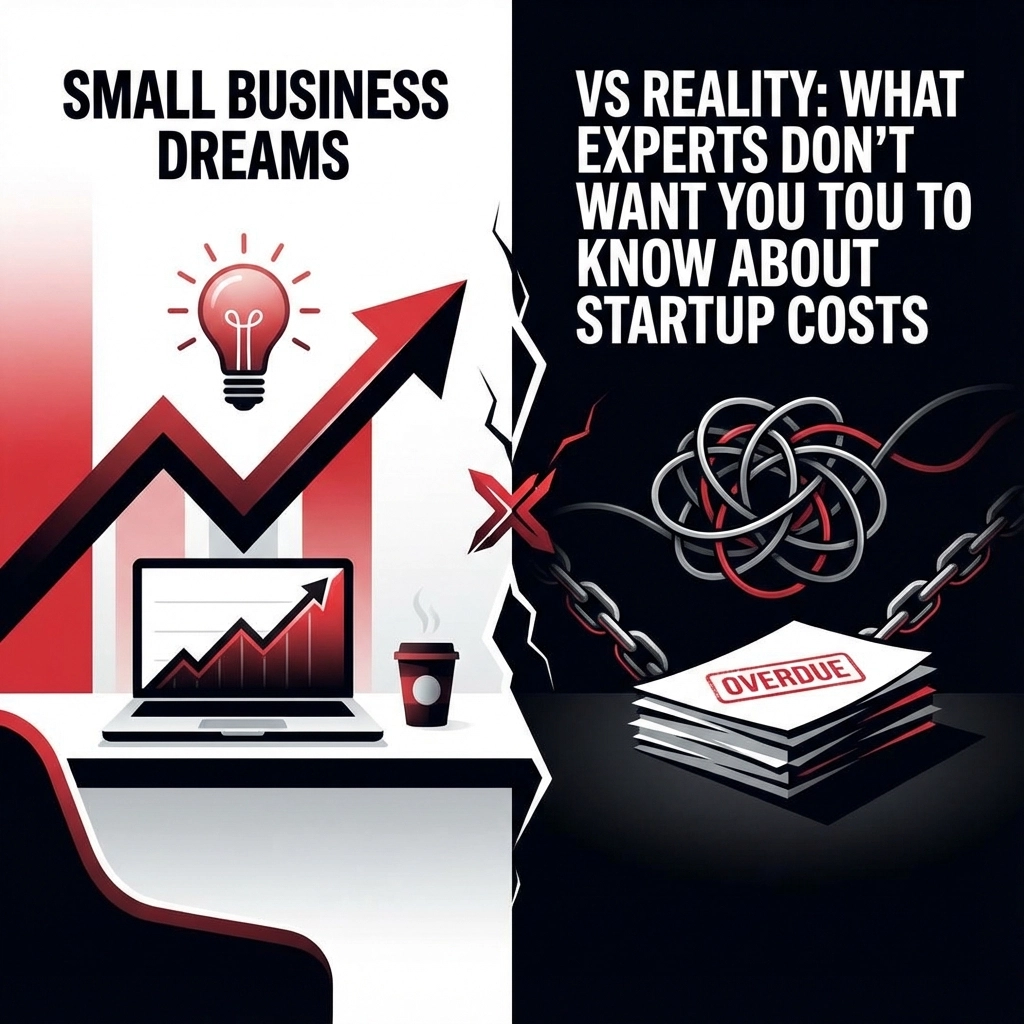
Picture this: You see an ad promising you can start your own business for just $39. Sounds amazing, right? You imagine freedom, flexibility, and finally being your own boss. But here's what those glossy marketing campaigns don't tell you, and what most business "experts" conveniently leave out of their success stories.
The truth about startup costs isn't pretty, but it's something you absolutely need to know before you take the plunge. Most entrepreneurs underestimate their actual startup costs by 25-50%, and the consequences can be devastating to both your business dreams and your personal finances.
Why Do Most Entrepreneurs Get Startup Costs So Wrong?
The biggest culprit? Optimism bias. You want to believe you'll be the exception to the rule. You think you'll launch cheaper, faster, and more efficiently than everyone else. Unfortunately, the numbers tell a different story.
Research shows that the average new business spends about $40,000 in their first year. That's a far cry from the $39 signup fee you might have seen advertised. But here's what's even more shocking, that $40,000 figure is just the beginning.

The real problem isn't the initial investment. It's all the hidden costs that experts rarely mention upfront because they don't want to scare away potential entrepreneurs. These aren't just minor oversights, they're budget-busting expenses that can sink your business before it even gets off the ground.
What Are the Hidden Costs That Catch Entrepreneurs Off Guard?
Your Personal Survival Fund
Here's the biggest mistake entrepreneurs make: they budget for business expenses but completely forget about their own living costs. You still need to pay rent, buy groceries, and cover your personal bills while building your business.
Most new businesses don't turn a profit for at least 6-12 months. During this time, you'll likely earn little to nothing from your venture. If you don't have personal savings to cover your living expenses, you'll be forced to abandon your business dreams just to survive.
Reality check: Budget for at least 6 months of personal living expenses before you even think about starting your business.
Employee Costs That Multiply
Think hiring your first employee costs just their salary? Think again. When you pay someone $40,000 annually, your actual cost is $50,000-$56,000 once you factor in:
- Payroll taxes
- Workers' compensation insurance
- Health insurance contributions
- Unemployment insurance
- Equipment and workspace costs
That's 1.25 to 1.4 times their base salary. This multiplier effect catches many entrepreneurs completely off guard and can destroy carefully planned budgets.
Professional Services Aren't Cheap
You'll need lawyers, accountants, and consultants more than you think. These professionals typically charge $300-$1,500 depending on the complexity of your needs. Here's what you'll likely need help with:
- Business formation and registration
- Tax planning and compliance
- Contract review and creation
- Industry-specific regulatory requirements
- Financial planning and analysis

How Much Should You Really Budget for Different Business Types?
The startup cost range varies dramatically based on what type of business you're launching:
Online businesses: $2,000-$50,000
- Website development and hosting
- Digital marketing tools
- Inventory (if selling products)
- Professional photography
- Legal and business setup fees
Retail stores: $10,000-$300,000
- Inventory and product sourcing
- Store lease and deposits
- Display fixtures and equipment
- Point-of-sale systems
- Insurance and permits
Restaurants: Up to $750,000
- Commercial kitchen equipment
- Furniture and decor
- Initial food inventory
- Licenses and permits
- Marketing and grand opening costs
Even within these categories, costs can vary wildly based on your location, target market, and business model. A food truck in Kansas will cost far less than a restaurant in Manhattan.
What About Those "Start Your Business for $39" Offers?
Let's address the elephant in the room. Yes, some legitimate business opportunities do have low startup fees. But here's what you need to understand about these offers:
The $39 might cover:
- Basic business registration
- Access to training materials
- Initial marketing toolkit
- Basic website template
What it doesn't cover:
- Your time investment (which has real value)
- Personal living expenses during the launch phase
- Additional tools and software you'll need
- Marketing budget to actually reach customers
- Professional development and training
- Emergency fund for unexpected costs
The bottom line: A low signup fee doesn't mean a low total investment. It just means the costs are spread out or hidden in other areas.
How Can You Prepare for the Real Costs of Starting a Business?
Build Your Contingency Fund
Financial experts recommend budgeting 10-20% of your total estimated startup costs as a safety net. If you think your business will cost $20,000 to launch, set aside an additional $2,000-$4,000 for unexpected expenses.
This isn't pessimistic thinking: it's smart planning. Equipment failures, supply chain disruptions, and market changes happen to every business. Having a financial cushion means you can adapt instead of shutting down.
Track Every Expense During Your Research Phase
Start a spreadsheet and document every potential cost you discover during your business planning process. Include categories for:
- One-time startup costs
- Monthly recurring expenses
- Variable costs based on sales volume
- Personal living expenses
- Emergency fund requirements

Get Multiple Quotes for Everything
Don't rely on online estimates or rough calculations. Contact real vendors and service providers to get actual quotes. Ask about:
- Setup fees and ongoing costs
- Contract terms and cancellation policies
- Volume discounts or payment plans
- Additional fees that might apply
Consider Your Opportunity Cost
Remember that starting a business means giving up your current income. If you're earning $50,000 annually and plan to focus full-time on your new venture, that's $50,000 in opportunity cost during your first year: even if your business becomes profitable.
What Financial Strategies Can Help You Launch Successfully?
Start Small and Scale Gradually
Instead of launching with everything you think you need, start with the absolute minimum viable product. You can always expand later once you have proven demand and steady cash flow.
Maintain Multiple Income Streams
Consider keeping part-time work or consulting income while building your business. This reduces the financial pressure and gives you more time to build sustainably.
Separate Business and Personal Finances
Open dedicated business bank accounts and credit cards from day one. This makes tax preparation easier and helps you track your true business costs more accurately.
Questions to Ask Before You Invest in Any Business Opportunity
Before you sign up for that $39 business opportunity: or any business venture: ask these critical questions:
- What are the total costs for the first 12 months of operation?
- How much time investment is required weekly?
- What additional tools, software, or services will I need to purchase?
- How long does the average person take to reach profitability?
- What support is provided after the initial signup?
- Can I speak with current participants about their experiences?
Your Next Steps Toward Realistic Business Planning
Starting a business doesn't have to cost a fortune, but it will almost certainly cost more than you initially expect. The key is honest, thorough planning that accounts for both business and personal financial needs.
Take time to research your specific industry, talk to other business owners, and create detailed financial projections. Consider working with a financial planner who specializes in small business planning: the investment in professional guidance often saves money in the long run.
Remember, the goal isn't to talk you out of starting a business. It's to help you start one that actually succeeds. Knowledge about real costs and careful financial planning are your best tools for turning those business dreams into profitable reality.
Ready to create a realistic financial plan for your business venture? Visit Teamfire Financial Services to learn how professional financial planning can set your entrepreneurial journey up for long-term success.
